


Golden Hour vs. Blue Hour: Which Is Better for Photos?
What are the Magic hours for Photography
If you’ve ever wondered why some outdoor photos feel almost magical, the secret often lies in when they were taken rather than just how. Natural light changes dramatically throughout the day, and photographers who understand these shifts can turn ordinary scenes into breathtaking images.
Let’s analyse the two most important lighting moments: Golden Hour and Blue Hour.
Both golden hour and blue hour can produce beautiful images, but the better choice depends on the mood you want. Golden hour is usually best for warm, flattering portraits, while blue hour is ideal for cooler, more cinematic scenes and rich sky color.
Golden hour vs Blue hour
When is Golden hour?
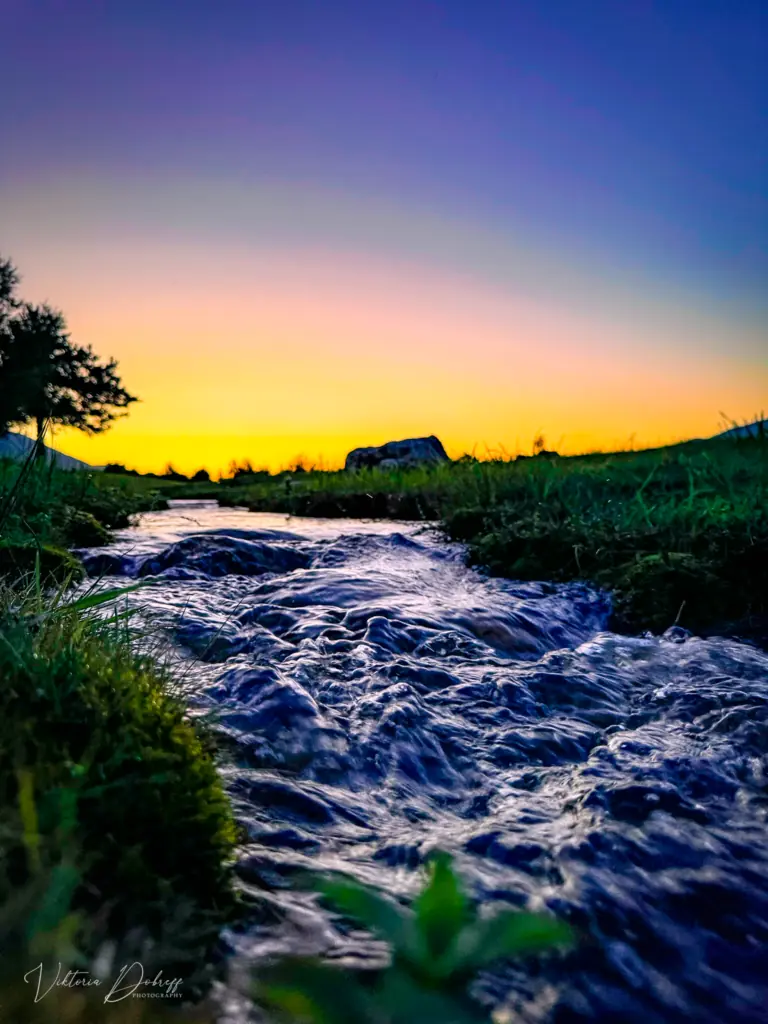
Golden hour is the period shortly after sunrise and before sunset. During this timeframe the sun sits low on the horizon and the light is soft, warm, and directional.
Why it’s special:
- Soft, diffused light reduces harsh shadows
- Warm tones enhance skin and landscapes
- Long shadows add depth and texture
Best for:
Portraits, landscapes, travel shots, and nature photography
When is Blue hour?
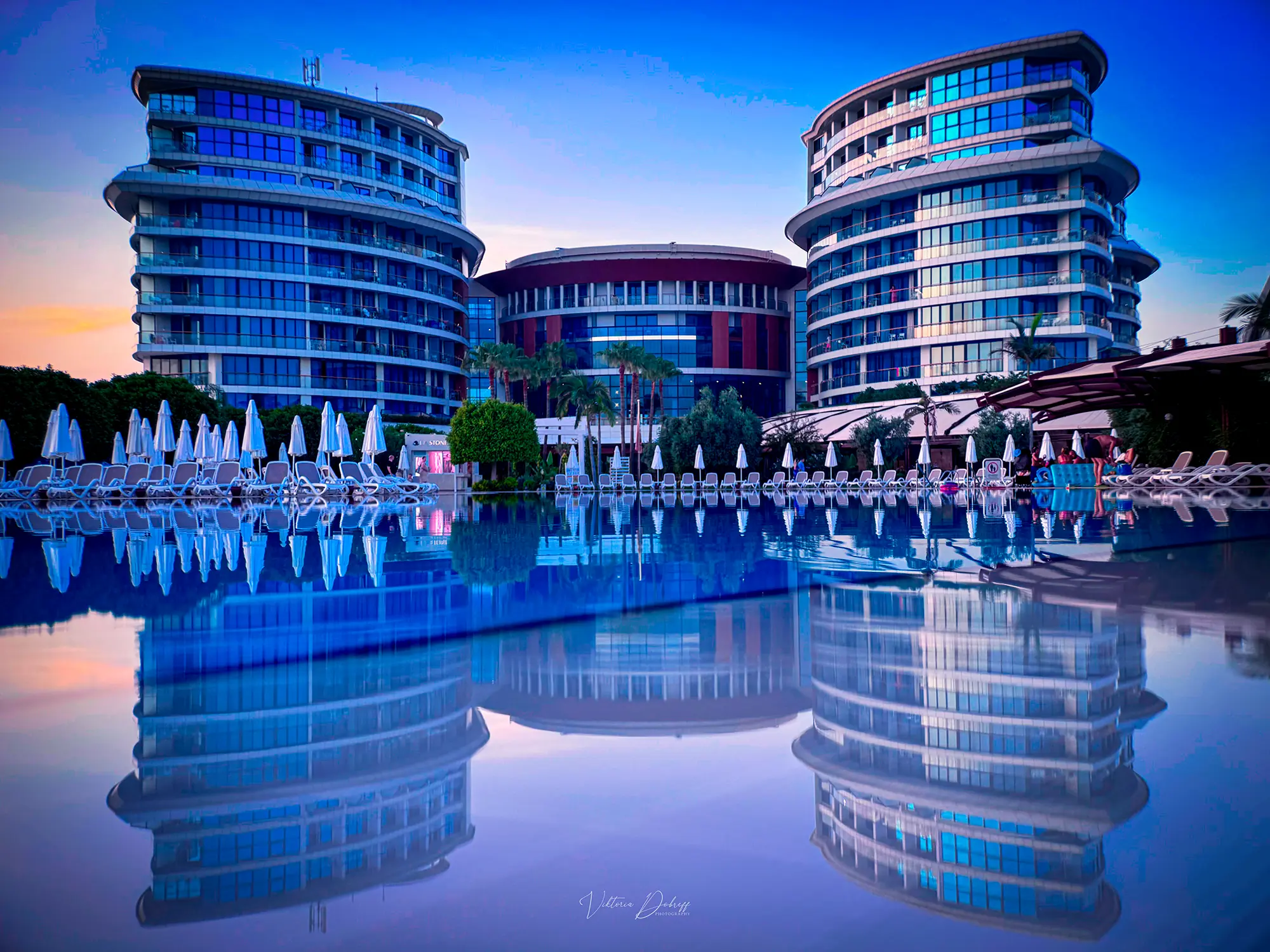
Blue hour happens just before sunrise and just after sunset, when the sun is below the horizon and the sky turns deep blue with gentle, even light.
Why it’s special:
- Deep blue tones create a dreamy mood
- Balanced light between sky and artificial sources
- Ideal for long exposures and cityscapes
Best for:
Urban photography, seascapes, night transitions, and moody landscapes
Why golden hour works well
Golden hour is popular because it flatters skin tones, creates long shadows, and gives photos a warm glow. It is especially strong for portraits, weddings, family sessions, and landscapes where you want a bright, romantic look.
Why blue hour works well
Blue hour gives photos a calmer, moodier feeling with cooler tones and a smoother sky gradient. It is a great choice for cityscapes, beaches, silhouettes, and scenes with artificial lights because the balance between sky and foreground can look very cinematic.
Which is better?
Golden hour is better if you want warm, natural, flattering light and a classic outdoor look.
Blue hour is better if you want drama, atmosphere, and a more artistic or moody style.
If you are shooting portraits, golden hour usually wins; if you are shooting city or seascape photos, blue hour can be more striking.
Here is a simple comparison:
| Feature | Golden Hour | Blue Hour |
|---|---|---|
| Light quality | Warm and soft | Cool and even |
| Best for | Portraits, weddings, landscapes | Cityscapes, silhouettes, moody scenes |
| Mood | Bright, romantic, energetic | Calm, cinematic, dramatic |
| Difficulty | Easier to shoot handheld | Often needs a tripod |
A practical rule
Choose golden hour when you want the subject to feel warm, inviting, and natural.
Choose blue hour when the sky itself should be part of the story and you want a stronger atmosphere.
A good example is a couple session: golden hour feels soft and glowing, while blue hour feels more cinematic and intimate.
For most photographers, golden hour is the safer all-around choice, but blue hour often creates the more unique final image. The best approach is to plan for both whenever possible, then use the one that matches your subject and style.
Pro Tips for Capturing Magic Hours
- Plan ahead using weather and sun-tracking apps
- Arrive early and stay late—light changes fast
- Use a tripod for stability in lower light
- Experiment with white balance for creative effects
Mastering Golden Hour and Blue Hour isn’t just about timing—it’s about seeing light differently. When you start paying attention to these subtle transitions, you’ll unlock a whole new level of storytelling in your photography.
📌 Save this guide and elevate your next shoot!
✅ Check out more photography tips here ⤵️
Beginner’s Guide to Photography: Camera Basics, Exposure Triangle, Composition
How to use the Golden Spiral in Photography
How to Photograph Roses: A Complete Guide