



10 tips for Stunning Spring Flower Photography
- Author:vdobreff
- Date:March 13, 2026
- Reading:3 min read
- Category:Galleries
- Tags:flower photography, flowers, spring flower photography, spring flowers, spring photography
Spring Flower Photography Tips
Spring is one of the most beautiful seasons for photography. As nature wakes up from winter, gardens, parks, and fields fill with colorful flowers and fresh greenery. Capturing these delicate details can produce breathtaking images, but flower photography requires patience, creativity, and a few helpful techniques.
Here are some practical tips to improve your spring flower photography.
1. Shoot During Golden Hour
Lighting plays a huge role in photography. The best times to photograph flowers are during the golden hours—shortly after sunrise and before sunset. During these times the light is soft, warm, and flattering, which helps bring out the natural colors of petals.
Avoid shooting in harsh midday sunlight, which can create strong shadows and washed-out colors.
2. Get Close to Your Subject
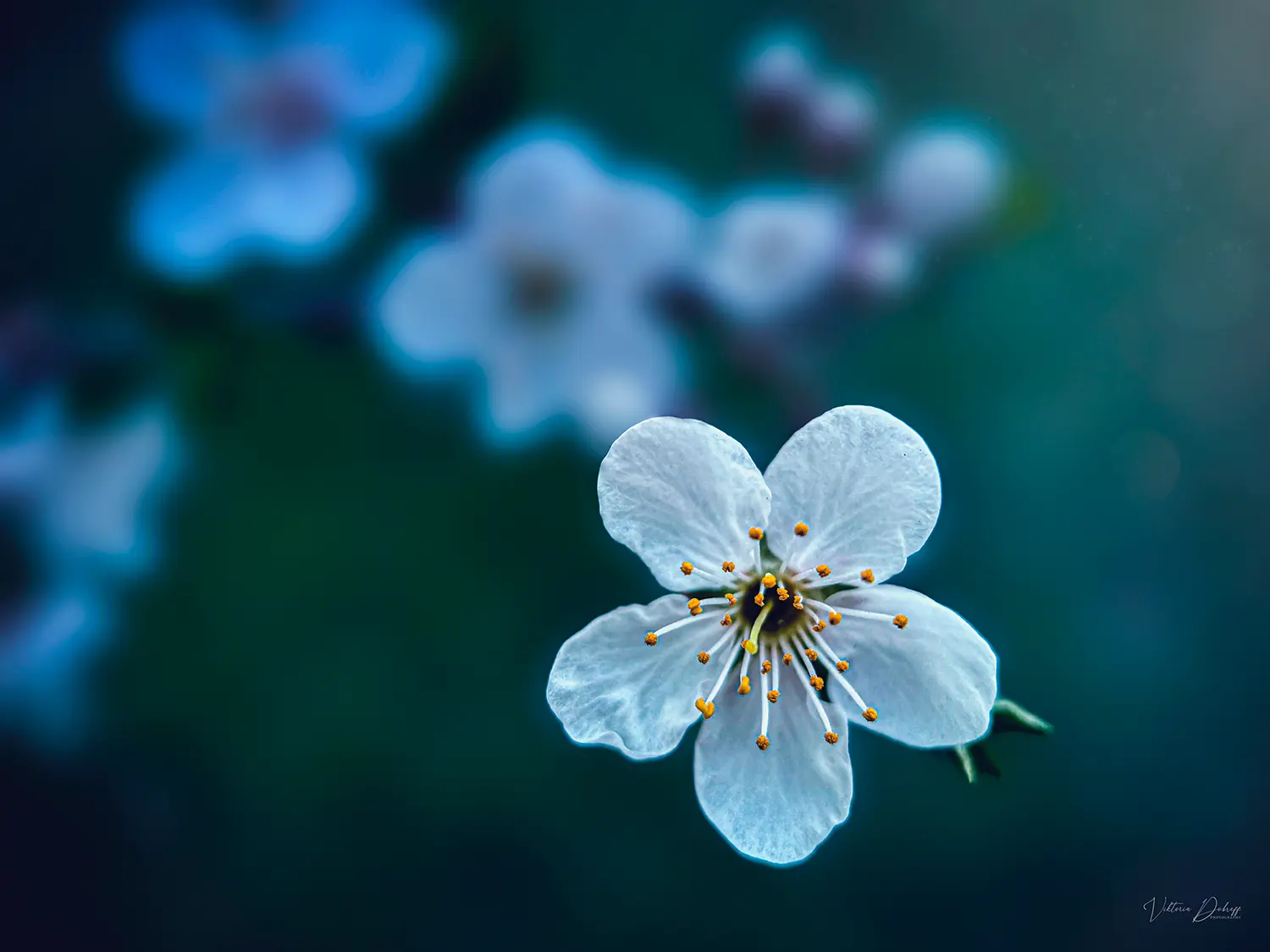
Flowers have intricate textures and patterns that are best seen up close. If your camera or phone allows it, use macro mode (or a macro lens) or get physically closer to the flower. This reveals details like pollen, veins in petals, and tiny droplets of water. Close-up shots often look more dramatic and artistic.
3. Choose a Simple Background
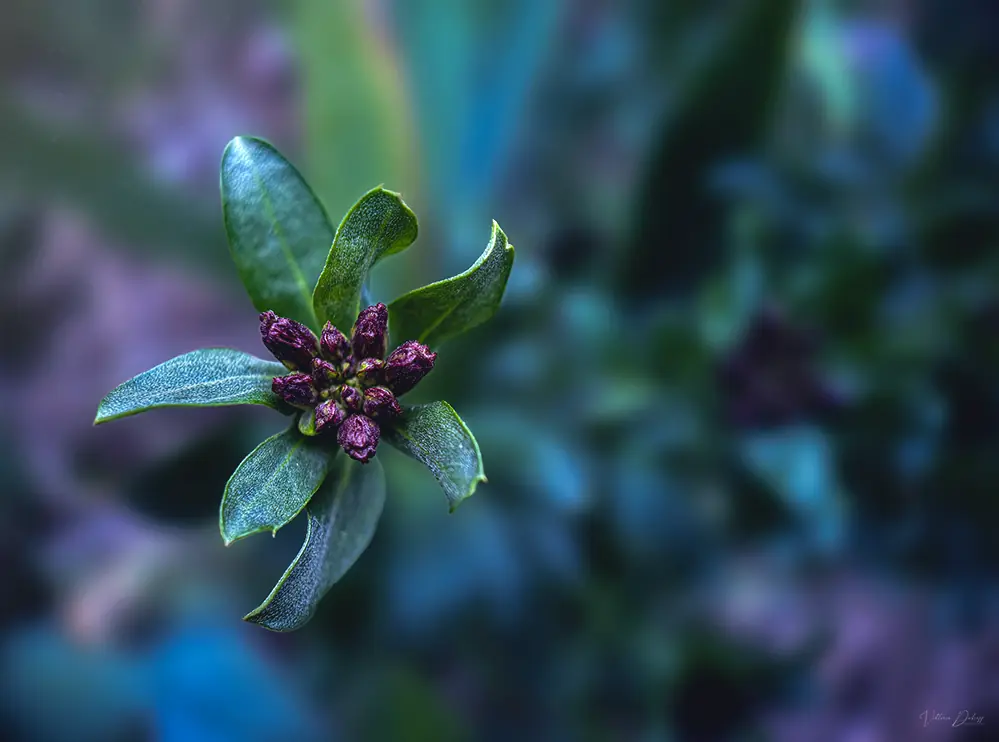
A cluttered background can distract from the beauty of the flower. Try positioning yourself so the background is simple—such as the sky, grass, or blurred foliage. Moving just a few steps can dramatically improve the composition.
4. Experiment with Angles
Most people photograph flowers from above, but interesting angles can create unique images. Try shooting:
- From the side
- From ground level looking upward
- Through leaves or other flowers
5. Use the Rule of Thirds
Instead of placing the flower in the center of the frame, try positioning it slightly to the side using the rule of thirds. This makes your composition more balanced and visually interesting.
6. Look for Natural Details/Elements
Spring often brings dew, raindrops, and insects that can enhance your photos. Water droplets on petals or a bee collecting pollen can add life and storytelling to the image. Be patient and watch the scene—nature often provides the perfect moment.
7. Keep the Camera Steady
Flower photography often involves close-up shots, which can easily become blurry. Use a tripod or steady your hands by leaning against something stable. This helps capture sharp details.
8. Use Soft Focus for Artistic Shots
Sometimes a slightly blurred background (called bokeh) can make the flower stand out beautifully. Many cameras and phones allow you to adjust focus to create this effect. You can also create this effect easily in photoshop when editing your photos.
9. Pay Attention to Color Combinations
Spring flowers come in many vibrant colors. Try to photograph flowers that contrast with their surroundings to create visually striking images.
10. Edit Your Photos Lightly
After taking the photo, use simple editing tools to adjust brightness, contrast, and color. Subtle edits can enhance the natural beauty of the flower without making the image look artificial. Over-editing can make colors look unrealistic.
Conclusion
Spring flower photography is a wonderful way to celebrate nature’s beauty. By using good lighting, creative composition, and careful editing, you can turn simple flowers into stunning photographs. Practice these tips, experiment with your camera, and enjoy capturing the vibrant colors of spring.