



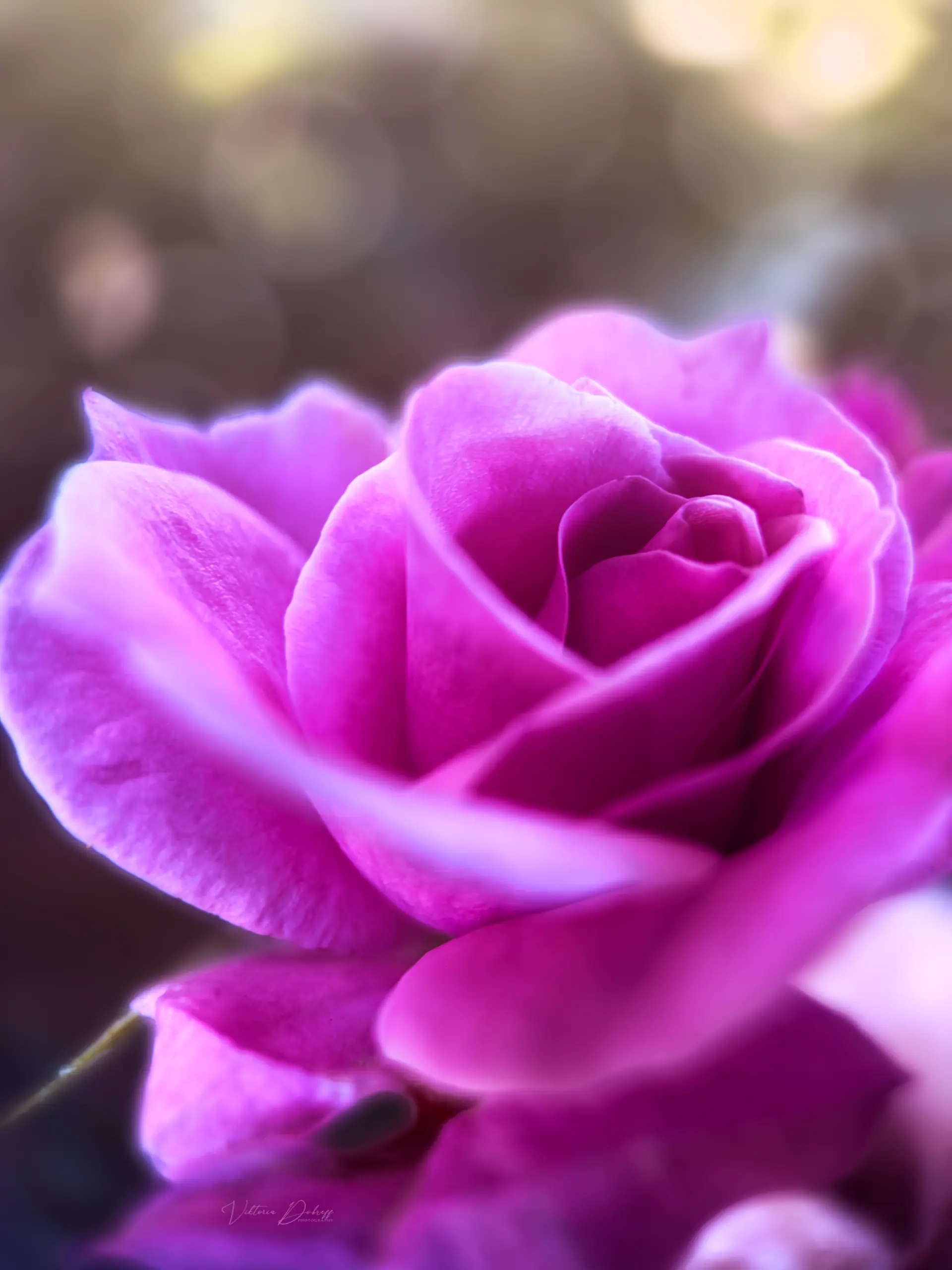
Rose Photography
The Art of Rose Photography
Roses have been photographed for centuries, yet they never lose their power to captivate. With their layered petals, rich symbolism, and endless color variations, roses offer photographers a subject that is both familiar and infinitely expressive.
Rose photography sits at the crossroads of nature, art, and emotion, inviting photographers to slow down and observe beauty in detail.
Why Roses Inspire Photographers
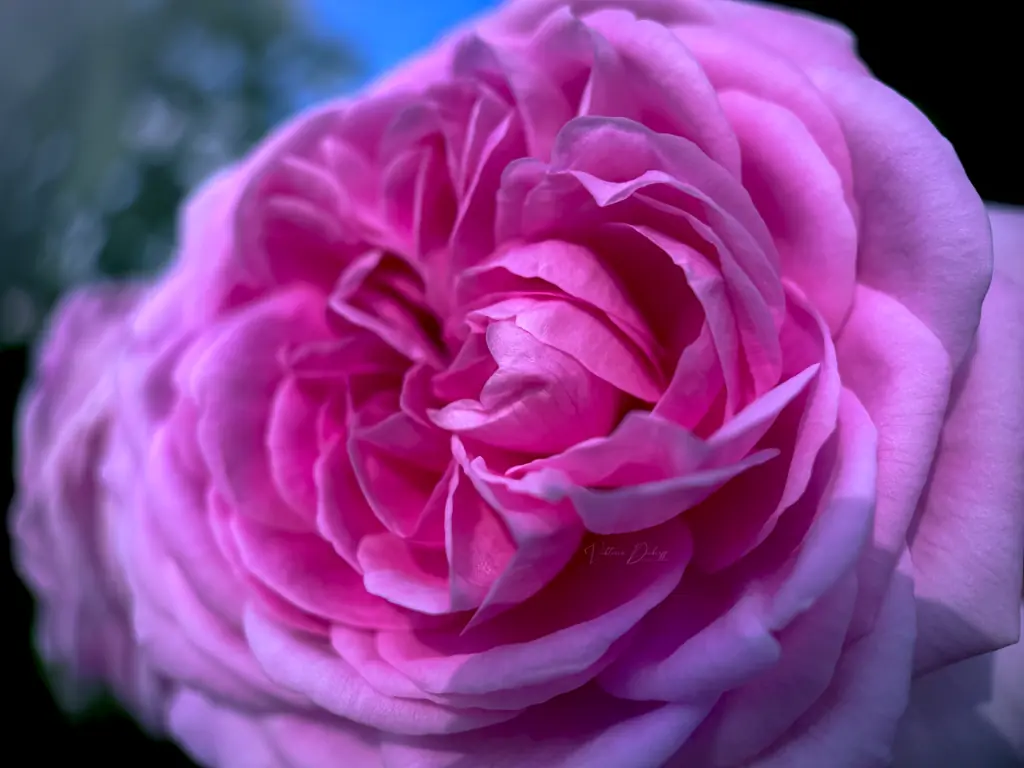
Roses are visually complex. Each bloom unfolds in spirals and curves, creating natural patterns that reward close observation. From tightly wrapped buds to fully opened blossoms, every stage of a rose’s life tells a different story. This makes roses ideal for photographers interested in themes like growth, impermanence, love, and fragility.
Color is another powerful draw. Deep crimson, soft pink, creamy white, golden yellow, and even lavender roses allow photographers to experiment with mood and symbolism. A single rose can convey romance, mourning, celebration, or quiet contemplation, depending on how it is framed and lit.
exquisite their petals look through my lens on those cold days. On the other hand, early spring roses have the fragrance which we cannot smell through a photo, but we can only imagine the wonderful scent it carries once the sun shines upon the newborn elegance of the roses.
Light and Mood in Rose Photography
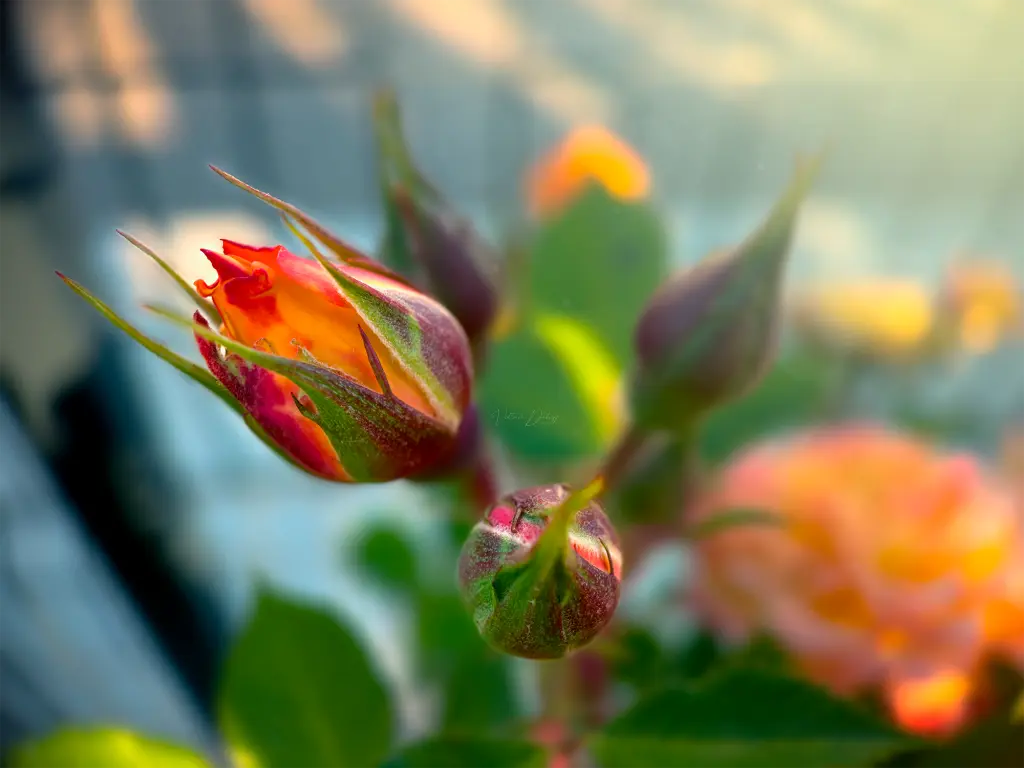
Lighting plays a crucial role in rose photography. Soft natural light, especially during early morning or late afternoon, enhances petal texture and preserves delicate color transitions. Morning light has the added advantage of dew, which can add sparkle and a sense of freshness to the image.
Harsh midday light, while challenging, can be used creatively to produce high-contrast images that emphasize structure and shadow. Indoors, controlled lighting allows photographers to sculpt the rose, highlighting specific petals or edges to create a more dramatic or painterly effect.
Composition and Perspective
Rose photography goes far beyond the classic centered bloom. Changing perspective can completely transform the subject. Shooting from the side reveals the rose’s layered architecture, while shooting from above emphasizes symmetry. Extreme close-ups, often achieved through macro photography, invite viewers into a hidden world of veins, textures, and subtle imperfections.
Background choice is equally important. A clean, blurred background helps isolate the rose and draw attention to its form, while a natural garden setting can place the flower within a broader story. Negative space, contrasting colors, and framing with leaves or stems can all strengthen composition.
Elegant rose in a natural garden
Symbolism and Storytelling
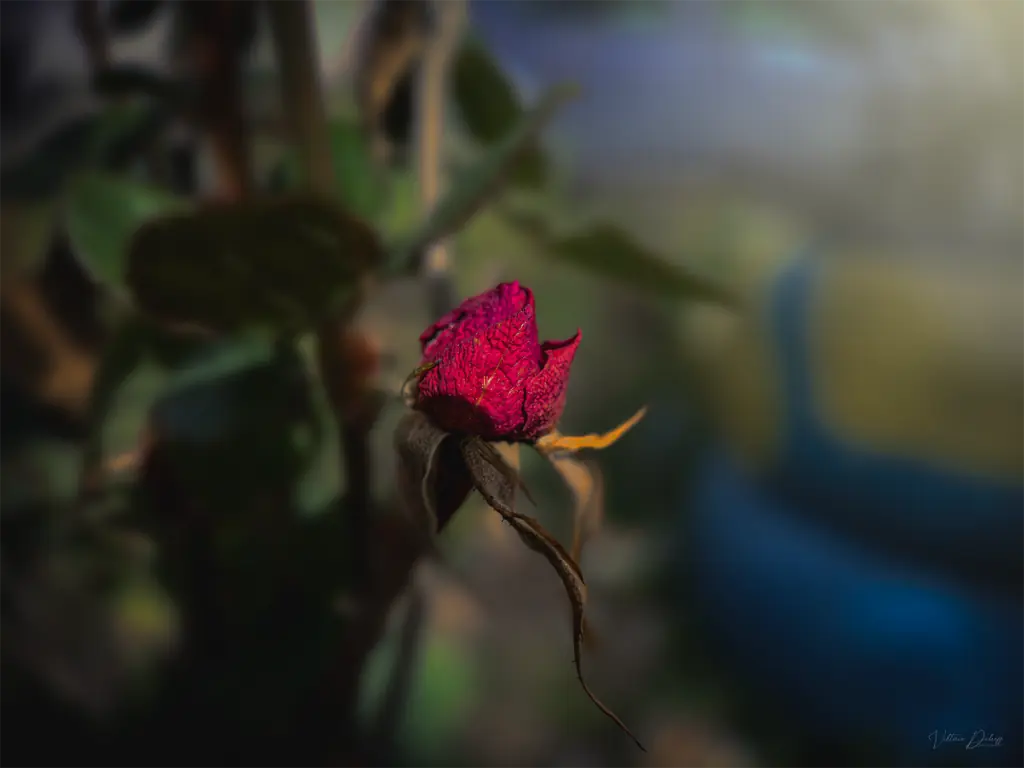
Roses are deeply symbolic, and photographers often use them to tell stories rather than simply document flowers. A wilting rose can suggest the passage of time or lost love. A thorny stem might hint at beauty intertwined with pain. Multiple roses together can express connection, abundance, or celebration.
By thoughtfully choosing lighting, angle, and context, rose photography becomes a form of visual poetry. The image no longer just shows a flower—it communicates an idea or emotion.
Rose photography is both accessible and endlessly challenging. While roses are easy to find, capturing their essence requires patience, observation, and creative intention. Whether photographed in a wild garden, a quiet studio, or a fleeting moment of morning light, roses continue to offer photographers a timeless subject—one that rewards those who look closely and feel deeply.