



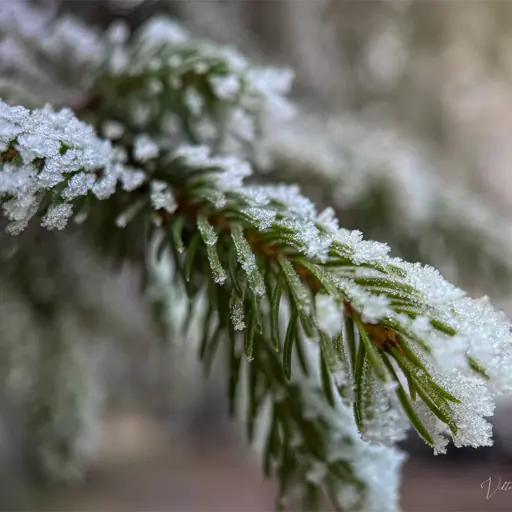
Winter Photography Tips: How to Shoot Stunning Photos in Snow (Beginner Guide)
Winter transforms the world in ways no other season can. Colors soften, sounds fade, and landscapes become calm, minimalist works of art. For photographers, winter is not just a challenge—it is an invitation to slow down, observe more carefully, and capture moments filled with mood, contrast, and emotion. From snow-covered streets to frost-kissed leaves, winter photography offers a unique beauty that rewards patience and creativity.
The Beauty of Photography in Winter
Winter photography is about subtlety and atmosphere. Snow acts like a natural reflector, bouncing light evenly and creating gentle shadows that flatter both landscapes and portraits. Fog, frost, and falling snow add layers of depth and mystery, turning ordinary scenes into cinematic frames.
This season also encourages simplicity. Bare trees, open skies, and monochrome palettes draw attention to shape, texture, and composition rather than color. A single subject—a person in a coat, a lone cabin, a branch dusted with snow—can become powerful against a quiet background. Winter teaches photographers that less can truly be more.
Emotion plays a strong role as well. Winter images often evoke feelings of solitude, warmth, nostalgia, or peaceful stillness. Capturing these emotions is what turns a photograph into a story.
Winter Photography Tips for Shooting in Snow
1. Master Exposure in Snow
Snow can fool your camera’s light meter, often resulting in underexposed (gray-looking) images. Use exposure compensation (+1 or +2 stops) to keep snow bright and white. Always check your histogram to avoid losing detail.
2. Embrace Natural Light
Winter light is soft and directional, especially during early morning and late afternoon. Golden hour is shorter but more dramatic, with long shadows and warm tones that contrast beautifully with cool surroundings.
3. Protect Your Gear
Cold temperatures drain batteries quickly, so carry spares and keep them warm in your pocket. Use weather-sealed gear if possible, and allow your camera to acclimate when moving between cold outdoors and warm indoors to prevent condensation.
4. Look for Contrast and Color
Winter scenes can be very monochromatic. Look for elements that stand out—colorful clothing, red berries, street lights, or warm window light. These contrasts add life and focal points to your images.
5. Capture Texture and Details
Frost patterns, snowflakes, icy surfaces, and frozen breath are perfect subjects for close-up photography. Use a wide aperture to isolate details and create a dreamy winter mood.
6. Tell a Story
Winter is rich with storytelling moments: people huddling for warmth, footprints in fresh snow, steam rising from coffee cups. Think beyond landscapes and capture human moments that reflect the season’s character.
7. Stay Comfortable and Patient
Dress warmly and protect yourself first. When you are comfortable, you can focus better, wait longer, and notice small, meaningful moments that others might miss.
Best Camera Settings for Winter Photography
Winter scenes can be tricky to capture correctly due to bright snow, low light, and cold conditions. Using the right camera settings will help you preserve detail, maintain accurate colors, and achieve sharp, well-exposed images.
ISO
Keep your ISO as low as possible (typically ISO 100–200) to maintain image quality and reduce noise, especially in bright snowy conditions. Increase ISO only when shooting in low-light situations, such as during snowfall, cloudy days, or early morning and late evening shoots.
Aperture
For landscapes, use a narrower aperture like f/8 to f/16 to ensure maximum depth of field and sharpness throughout the scene. If you’re focusing on details or portraits, a wider aperture (f/2.8 to f/5.6) can help isolate your subject and create a soft, blurred background.
Shutter Speed
Your shutter speed depends on the effect you want to achieve. Use faster shutter speeds (1/500s or higher) to freeze falling snow and capture crisp details. For a more artistic look, slower shutter speeds (1/60s or lower) can create soft, flowing snowfall. Always adjust accordingly to avoid motion blur when shooting handheld.
White Balance
Snow can sometimes appear too blue in photos. Set your white balance to “Cloudy” or “Shade” to add warmth and achieve more natural tones. If you shoot in RAW, you can fine-tune white balance later during editing for the best results.
Winter photography is not about fighting the cold—it’s about working with it. It challenges photographers to slow down, simplify, and find beauty in quiet scenes. By embracing winter’s light, textures, and emotions, you can create images that feel timeless and deeply expressive.
Sometimes, the coldest season produces the warmest photographs.
Frequently Asked Questions
What are the best settings for winter photography?
Use exposure compensation (+1 to +2 stops) to keep snow white, keep ISO low for clean images, and adjust white balance to avoid blue tones in snowy scenes.
Why does snow look gray in photos?
Cameras often underexpose snow because they try to balance brightness. Increasing exposure compensation helps keep snow bright and properly exposed.
What is the best time for winter photography?
Early morning and late afternoon provide soft, directional light. Golden hour is especially effective in winter due to long shadows and warm tones.
How do you protect your camera in cold weather?
Keep spare batteries warm, use weather-sealed gear if possible, and let your camera adjust gradually when moving indoors to prevent condensation.
What makes winter photography unique?
Winter photography emphasizes simplicity, texture, and mood. Snow creates soft light and minimalistic scenes that highlight composition and emotion.